 |
surfresearch.com.au
manufacturers : rip curl
surfboards
|
| home | catalogue | history | references | appendix |
|
surfresearch.com.au
manufacturers : rip curl
surfboards
|
|
|
|
|
|
|
|
|
|
|
|
|
|
|
|
|
|
|
|
|
|
|
|
|
|
|
|
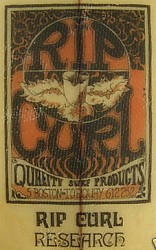 |
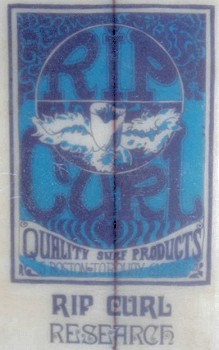
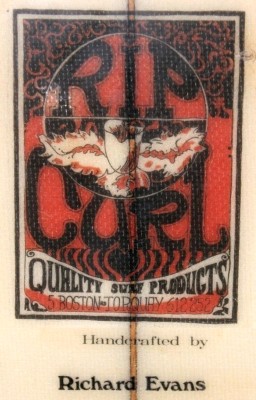
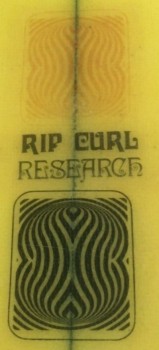
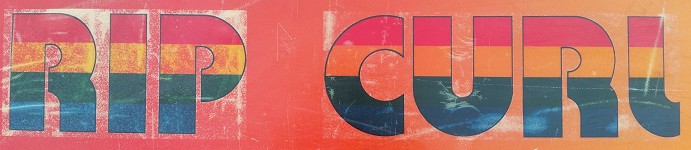
| Rip Curl Surfboards 42 Bell Street Torquay Vic. ph 92 3774 5 Boston Road, Torquay Victoria Phone 612 252. 101 Geelong Road, Torquay Vic (052) 61 2904 1967 Bells Beach Surfshop, Torquay. Retailing surfboards from several Brookvale manufacturers including Keyo, Wallace and Shane. Late 1968 First factory in Brian Singer's garage, Torquay 1969 Brian Singer, Doug Warbrick, Andy Spangler, Wayne Lynch; B. Davis Note impact on local surf industry of the 1970 World Contest at Bells Beach-Johanna 1971 Richard Evans. 1974 Jim Pollock, Alan Colk, Kingsley "Knackers" Kanouski (KKK), originally from California 1976 Wayne Lynch, Don Alcroft, 'Sparrow', Pat Morgan and Dennis Day ; 1977 Wayne Lynch, Pat Morgan and Randy Rarick (USA) 1979 Wayne Lynch and Warren Powell 1985 Maurice Cole, Michael Anthony, Ross Slaven. 1986 Rodgers - High Voltage 1988 Wave Jumper (sailboard) shaped by Wayne Lynch 1996 E System - Composite Epoxy Top right : Bell's Beach Surf Shop Rip Curl Model, circa 1968. Peter Turner Collection. Photo: Andrew Sheild ASL, June 1999. Issue 129 page 43. Bottom: Rip Curl Research, Blue, circa 1970. Contributed, with thanks, by Jonno, April, 2013. |
  |
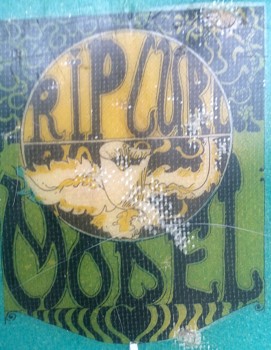 Rip Curl Model, 1970. |
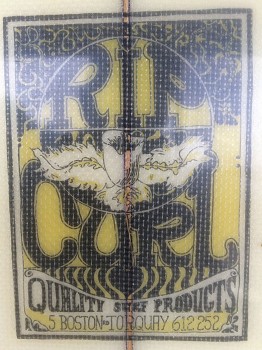 Rip Curl, Boston Road,1976. |
 |
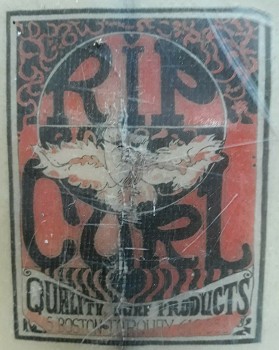 Rip Curl Boston Road, 1974.
|
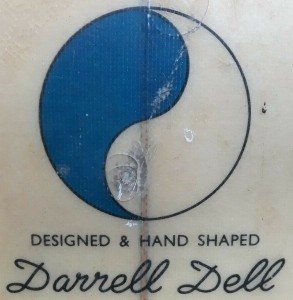 Rip Curl: Darrell Dell, 1974.
|
Rip Curl,
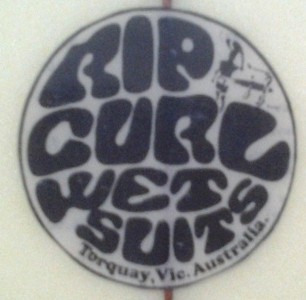
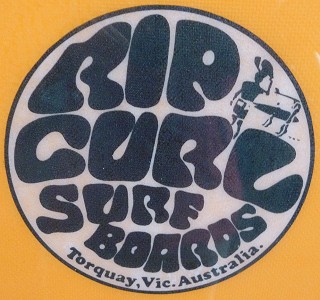
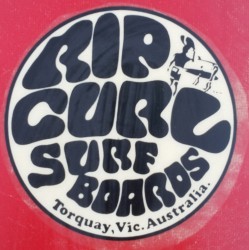
Richard Evans, 1976.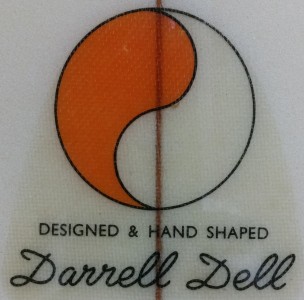 Rip Curl: Darrell Dell, 1974. Decal thanks to Snazzy, June 2019. |
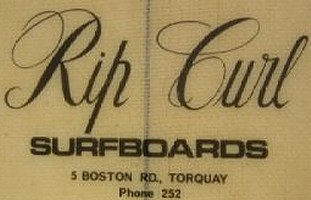 Rip Curl, 5 Boston Road, Phone 252. 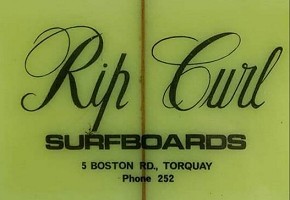 |
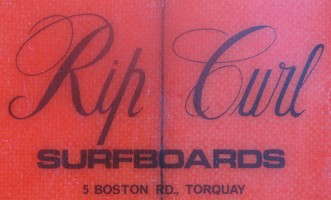 Rip Curl, 5 Boston Road #230 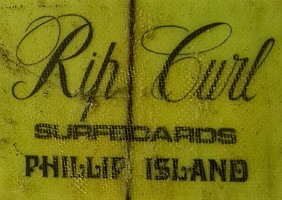 |
 |
 |
 |
 |
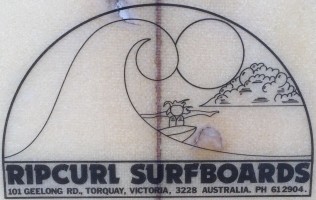 Semi-circle
graphic, circa 1975.
|
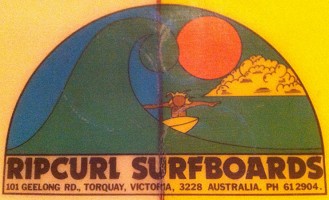 Semi-circle graphic, circa 1974. |
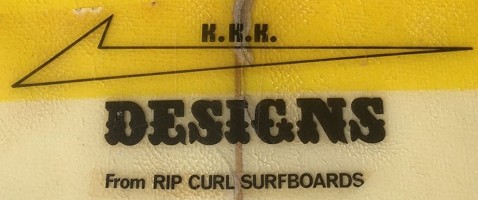 KKK Designs from Rip Curl, circa 1974 (Kingsley "Knackers" Kanousk) |
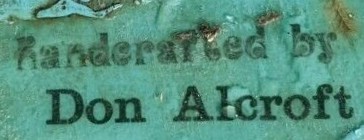 1973
RIPCURL and Designed and Shaped by Don Allcroft, circa 1978. |
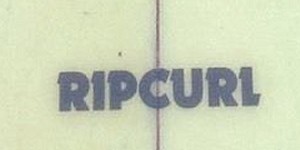 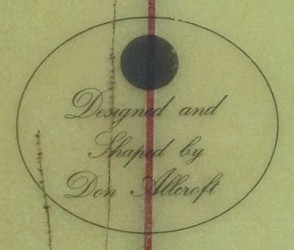 |
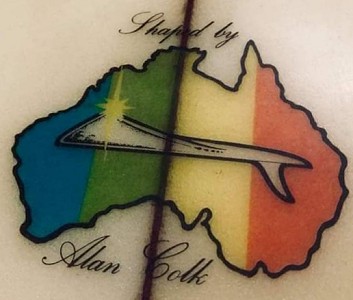 |
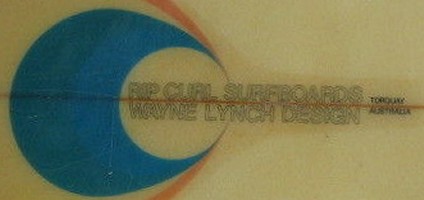 Rip Curl Surfboards Wayne Lynch Design, circa 1976. |
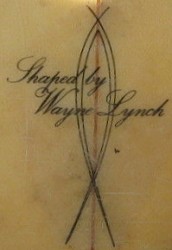 Shaped by Wayne Lynch Rip Curl Surfboards, circa 1978. |
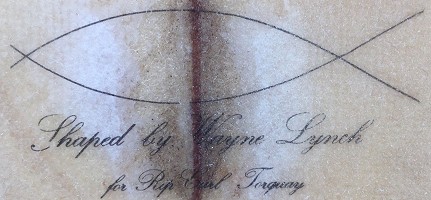 Shaped by Wayne Lynch for Rip Curl, Torquay, circa 1978. Image contributed, with thanks, by Michael Rundell.April 2006. |
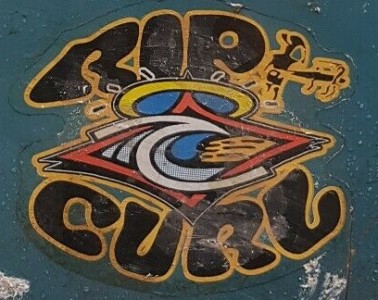
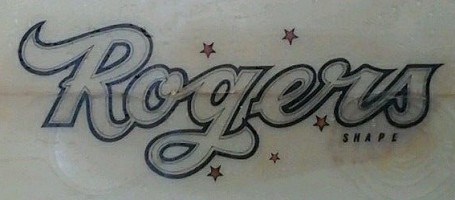 Rip Curl: Rodgers Shape, 1978. 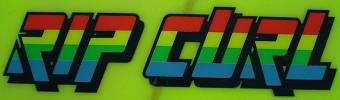 Decal image contributed with thanks by Snazzy, December 2010.  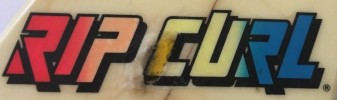  1985  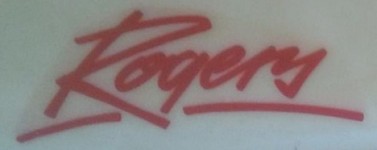 1986 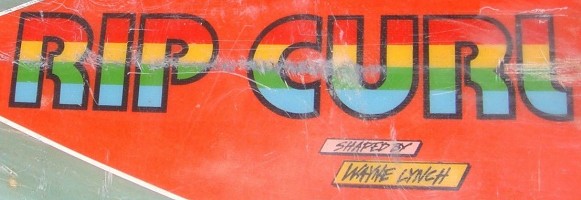 1988 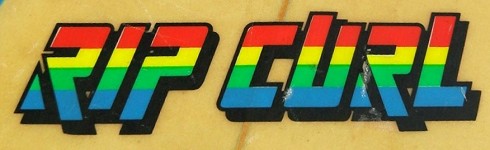 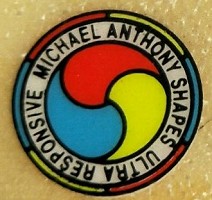 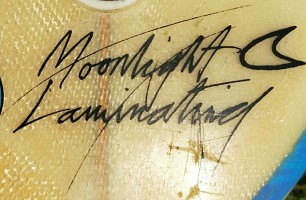 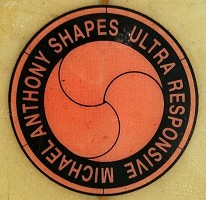 1990 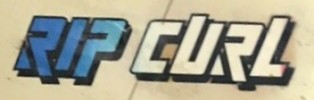 1992 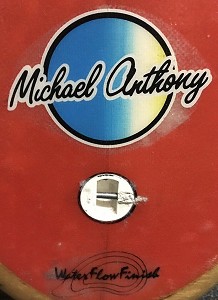 |
 1984 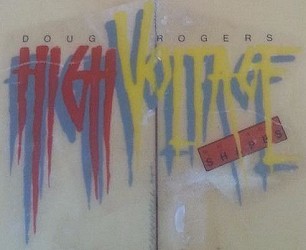 Doug Rodgers High Voltage, 1986 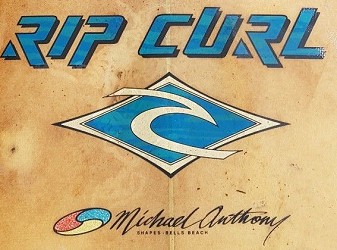 1987 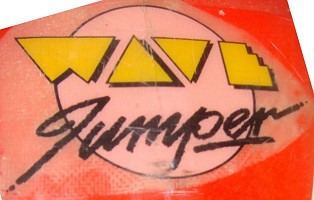 1988 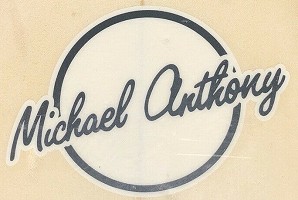 1994 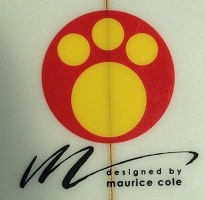 1999 |
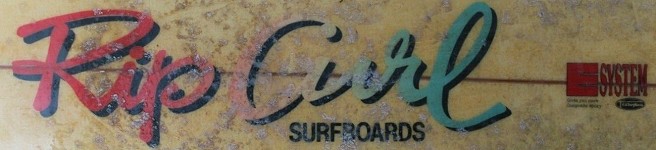 |
 |
|
Rip Curl Surfboards
WAYNE LYNCH :Designs by Wayne Lynch, Don Allcroft, Jim Pollock and Ritchie West. 75 New boards in stock - custom boards within seven days. Wayne's boards are priced from $130 and are designed for the hollow sucky waves of Bali, Hawaii and the energy spots of Southern Victoria - fine lines for fine performance for the in-tune surfer who likes the tube. RITCHIE WEST : Ritchie is a top surfer from California and star of Crystal Voyager is right into short boards, zappy playthings that go great in our summer beach breaks and smaller reefs. DON ALLCROFT : Donny is a fine experienced surfer and shaper whose boards go well in all types of waves, both here and overseas. If anything he is specialising in swallowtail flyer hot dog boards and swallow tail speed machines. JIM POLLOCK: Jim finished a close second in the last ASA contest. He shapes mainly pins and Queensland style small wave basics. Why so many shapers you may ask? Most shops have one shaper making one style of board - whether they are speed boards, hot doggers or whatever. We try to have at least three shapers to give the customer a wider selection from our stock of 75 boards. All different designs of small wave, medium wave and big wave boards Some for fast waves, some for tubey waves, some reefs and some beach breaks. Come and check
out our large range of boards at our new Torquay
factory,
or call at our Collaroy office, or Melbourne bayside shops. RIP CURL : 101 Torquay Road, Torquay, Victoria - 1 Alexander Street, Collaroy, NSW. SHOPS : 449 Hampton Street Hampton - Shop 103, Bayside Arcade, Beach Street, Frankston, Victoria. Good range of second-hand boards of all shapes. |
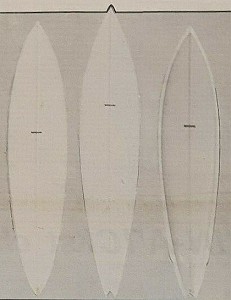 Wayne Lynch:
Small wave tube ship Swallow speed design. Don Allcroft: Swallow tail flyer. (adjusted) Breakway Number 12 November 1974. page 24. |
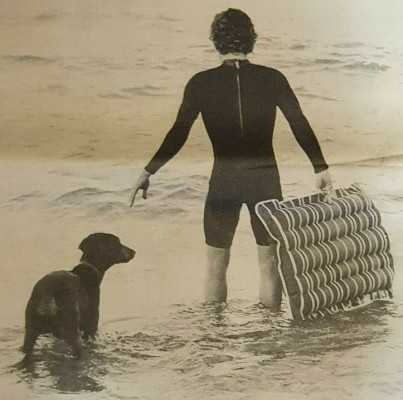
| THE NEW RIP CURL SURF MAT Good fun in neat tubes or when the afternoon onshore wind comes. The new material we are using in them is really good, but deflate them when not in the water. RIP CURL Available from all leading surf dealers and Rip Curl Surf Shops: 5 BOSTON Rd., Torquay. Phone: 61 2252 Island Designs, Phillip Island Highway, Newhaven. Hampton Surf Shop, 449 Hampton St., Hampton. Phone: 598 9418. Tracks Number 24, September 1972, page 32 |
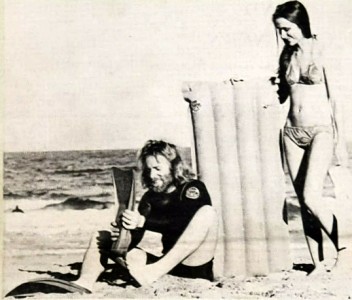 |
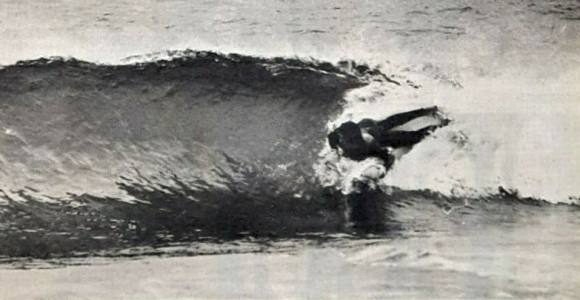 |
|
Surfing World
Volume 15 Number 5 December 1971 |
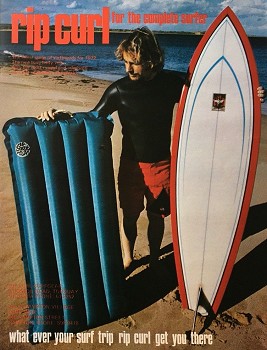 |
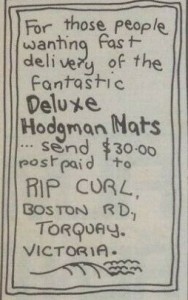 Tracks June 1973, Bitza page ?. |
|
Midget
Farrelly and
Hodgman Surf Mat
Tracks Number 35, August 1973, page 32. |
 |
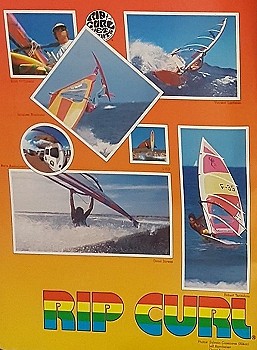 Wind Surfing October 1985 |
|
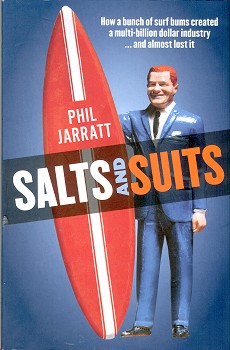
Jarratt, Phil : Salts and Suits - How a bunch of surf bums created a multi-billion dollar industry ... and almost lost it. Hardie Grant Books 85 High Street Prahan, Victoria, 3181, Australia, 2010. This copy provided courtesy of Paul Flack. |
 |
| a |
|
|
|
|
|
|
|
|
|
|
|
|
|
|
|
|
|
|
|
|
|
|
|
|
|
| home | catalogue | history | references | appendix |