 |
surfresearch.com.au
the catalogue #500 |
| home | catalogue | history | references | appendix |
|
|
|||||||||||||||||||||||||||||||||||||||||||||||||||
 |
|||||||||||||||||||||||||||||||||||||||||||||||||||
| MANUFACTURE
MANUFACTURER: Traditional SHAPER: Unknown DESIGN: Paipo DESIGNER: Traditional |
|||||||||||||||||||||||||||||||||||||||||||||||||||
| SPECIFICATIONS
CONSTRUCTION One piece solid Wood. DIMENSIONS (Approximation)
|
|||||||||||||||||||||||||||||||||||||||||||||||||||
| FIN: none, standard for the period. | |||||||||||||||||||||||||||||||||||||||||||||||||||
|
|||||||||||||||||||||||||||||||||||||||||||||||||||
| BOARD HISTORY
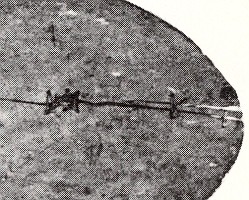
Collected by J.S. Emerson in Kailaua, Hawaii in 1885 Held by the Bishop Museum, Honolulu, Catalogue No. 293 Images : Margan and Finney, page 23 DESIGN HISTORY Their navigation skills took them
to the Solomon Islands, around 1600 BC, and later to Fiji and Tonga.
2003 B.C. A Piece of Wood
Whatever it's primitive origins, by 400
A.D. when the first settlers reached Hawaii, five principles had been
A small wooden prone board used thoughout
the Pacific Islands, primarily as juvenile sport. In Tahiti and
The origin of these boards is speculative,
but broken sections from discarded canoes, outrigger floats or
With the development of an adult surfing culture, prone boards became essential in acquiring basic surf skills. Pre- Hawaii - Conjecture.
As distances between islands became longer,
larger rafts would be required to carry larger numbers of passengers and
or supplies.
The development from this crude base to
sophisticated sailing canoes was concurrent with the use of a simple board
for personal transport over short distances.
1. It was adapted as a tool of recreation (exhilaration?) with the development of surfriding. 2. Originally a floatation devise, board paddling became the basis for Polynesian swimming, incorporating an overarm stroke of the arms and a sissor-like kick by the legs. Shooting on a board and in a canoe
must have started further back than body shooting.
At the start of the 20th century, the Polynesian
style (often mis-labeled the Australian Crawl) was becoming the
dominant competitive swimming stroke.
By the end of the 20th century surfing had spread to across the world's oceans (and Lakes!) and surfing culture had global significance Hawaii
The main timbers were...
A tree was selected and felled, sometimes
with religous ceremony or offerings, and a board was roughly shaped by
a stone adze on site.
The finishing process was completed with the addition of kukui nut or coconut oil to assist waterproofing. These contruction processes were not exclusive to surfboards - they were standard practice in canoe building. Further coatings of oil were regularly
applied as ongoing maintainence.
Dimensions vary between 6 feet and 12 feet
in length, average 18 inches in width, and between half an inch and
an inch and a half thick.
Contemporary accounts definitely confirm that Alaia were ridden prone, kneeling and standing; and that the riders cut diagonally across the wave. Details of wave size, wave shape, stance and/or manouvres are, as would be expected, overlooked by most non-surfing observers. Most early illustrations of surfing simply fail to represent any understanding of the mechanics of wave riding. Modern surfing experience would suggest that high performance surfing is limited more by skill than equipment. It is a distinct probablity that ancient surfers rode large hollow waves deep in the curl - certainly prone, and on occassions standing.
13. Large waves are faster than small waves.- a larger board is easier to achieve take off. 14. Steep waves are faster than flat waves.- a smaller board is easier to control at take off. 15. Control is more important than speed 16. Surfboards are precious. |
|||||||||||||||||||||||||||||||||||||||||||||||||||
| Plans and Specifications : Alaia, 1938 | |||||||||||||||||||||||||||||||||||||||||||||||||||
|
surfresearch.com.au |
| home | catalogue | history | references | appendix |